Lingual Braces vs. Invisalign: Which One Is Right for Me?
Comparing lingual braces vs Invisalign? See how each option works, who they're best for, and how our San Jose orthodontists can help. New patients welcome.
CALL (408) 266-8820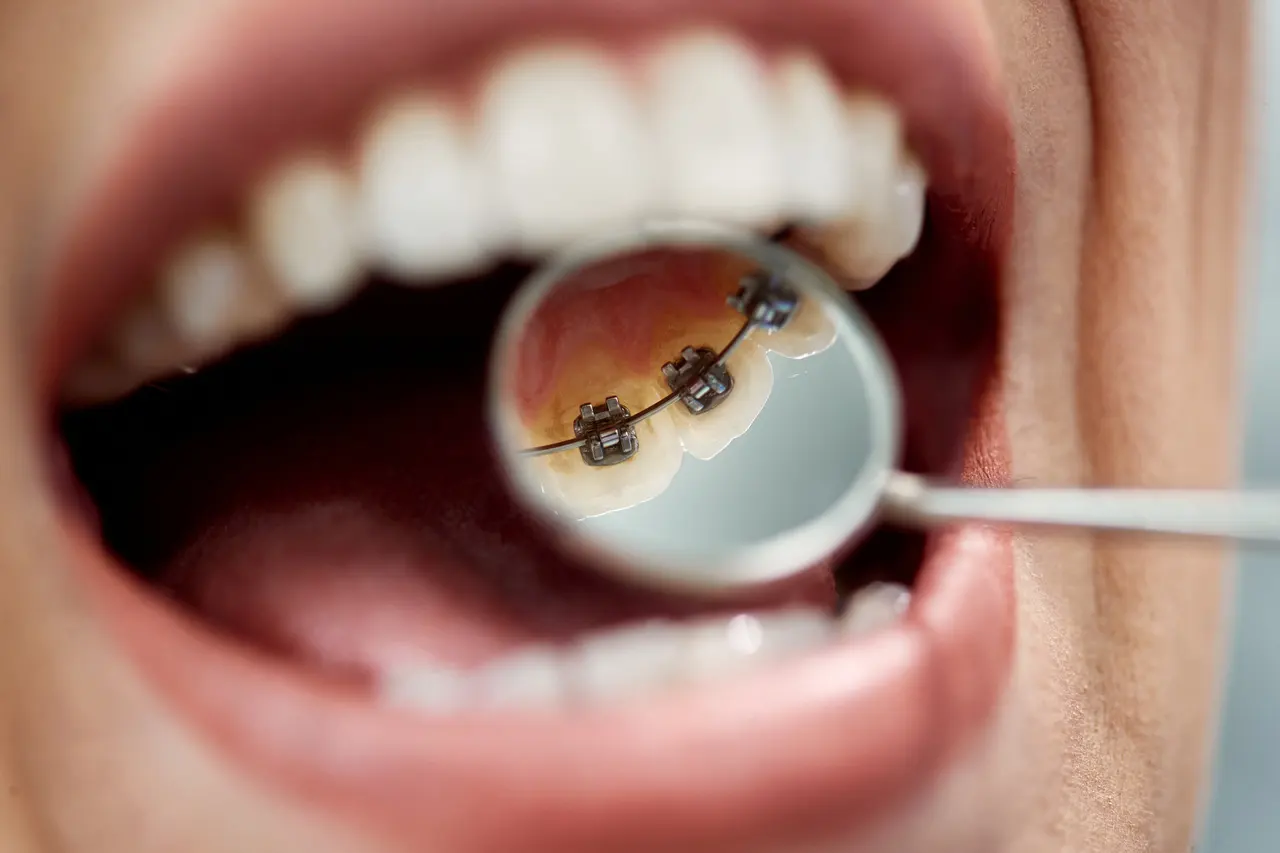
When adults consider orthodontics to straighten their teeth and/or correct their bite, two of the most popular choices are lingual braces and clear aligners (e.g. Invisalign®). Both have been gaining popularity because of their aesthetic advantages.
When most people think of braces, they picture the traditional metal brackets placed on the front of the teeth. Some adults are self-conscious about that look, and lingual braces or clear aligners are appealing options for treatment. Instead of front-facing metal brackets and wires, teeth are moved into the correct position with:
- Lingual braces, braces that are placed on the back of the teeth.
- Clear aligners (e.g. Invisalign®): a series of clear, removable aligners that gradually straighten your teeth.
What are lingual braces?
Lingual braces work in a similar fashion to traditional front-facing metal braces, except that the brackets and wires are placed on the inside of the teeth, making them virtually invisible.
At Mashouf Orthodontics, we use InSmile, a custom lingual system. Your brackets and wires are digitally designed for your teeth, so treatment is planned around you rather than relying on one-size-fits-all brackets.
How do I know if lingual braces are right for me?
There are some challenges associated with wearing them that aren't found with traditional braces:
- Can be more difficult to clean.
- Can have an overall treatment time longer than with traditional braces.
- Typically more expensive.
- Not ideal for every case, such as very small or unusually shaped teeth.
- Can be more uncomfortable at first due to the proximity of the braces to the tongue, including a feeling of sharpness or abrasion on the tongue, difficulty swallowing without a tongue thrust, and temporary speech (e.g. lisping) issues.
- Appointments can take longer than with traditional braces.
If you understand the challenges and are willing to make the effort required, discuss the option with your orthodontist to determine whether lingual braces are right for you.
Are there different types of lingual braces?
Each orthodontist chooses their own lingual system according to their preference, level of training, cost, and patient factors. There are a variety of brands available; they differ slightly in design but all function the same basic way. Some popular lingual braces brands include:
- Incognito by 3M
- Harmony by American Orthodontics
- SureSmile by OraMetrix
- Alias by Ormco
- In-Ovation L by Dentsply GAC
- InSmile, the custom lingual system we use at Mashouf Orthodontics
Is Invisalign only for simple cases?
Not anymore. Invisalign clear aligners are often thought of as a fix for minor crowding, but with careful digital planning our orthodontists use Invisalign for both mild and complex cases. Aligners are removable for eating and brushing, which many adults and teens appreciate. The trade-off is discipline: aligners only work when they are worn as directed, typically most of the day and night.
How much do lingual braces cost?
Because the braces are custom-made, require special instrumentation, and demand a certain level of education and technical skill to use effectively, they usually cost more than traditional braces or clear aligners. At our practice, braces cost approximately $4,000 to $10,000, depending on the complexity of your case and the type of braces, and Invisalign costs approximately $3,000 to $9,000, depending on complexity.
How do I find an orthodontist who offers lingual braces?
Not all orthodontists offer lingual braces, due to the technical skill, equipment, education, and training required to treat patients effectively with them. Call the orthodontic offices in your area to find out if they offer lingual braces. If they do, you can schedule a consultation to find out whether lingual braces are the right option for your treatment needs.
At Mashouf Orthodontics, we are proud to offer lingual braces as a means of straightening teeth and correcting the bite. Please call us at (408) 266-8820, email us at info@drmashouf.com, or request an appointment online to learn more and set up a free consultation.
Frequently Asked Questions
Can lingual braces fix the same issues as Invisalign?
In many cases, yes. Lingual braces can treat a broad range of orthodontic issues, including severe crowding, complex rotations, and bite problems, and with careful digital planning Invisalign is used for both mild and complex cases. Your orthodontist will evaluate your specific needs to recommend the best approach.
Is InSmile the same as other lingual braces?
InSmile is a custom lingual brace system: the brackets and wires are digitally designed for each patient's teeth and placed behind them, where they stay out of sight. Mashouf Orthodontics is proud to offer the InSmile system as part of our commitment to customized, patient-centered care.
Does Mashouf Orthodontics offer both options?
Yes, we offer both InSmile lingual braces and Invisalign clear aligners. Our orthodontists, Dr. Kayhan L. Mashouf, Dr. Shannon Hayashibara-Mashouf, and Dr. Cameron K. Mashouf, work closely with you to determine the best invisible braces option for your unique goals. Schedule a consultation to discuss your smile journey.
Ready to Find Your Invisible Treatment?
Call (408) 266-8820 to book your consultation and discover whether lingual braces or Invisalign is right for you. We welcome new patients of all ages from San Jose and surrounding communities.